Burns Marketing: Bringing App Development to an Agency
Role: Interactive Designer, Burns Marketing Communications
When: 2011–2012
Scope: Websites and mobile apps across a wide roster of agency clients
Introduction
Burns Marketing Communications was a full-service marketing agency with a broad client roster — medical device makers, tech companies, and consumer brands. I joined as an Interactive Designer, and beyond the websites I designed and built, my biggest contribution was helping the agency add a brand-new capability: app development. Over a year and a half I helped make mobile apps a core competency at a shop that had been built around branding, advertising, and print work.
1. The Web Work
Client websites, hand-built
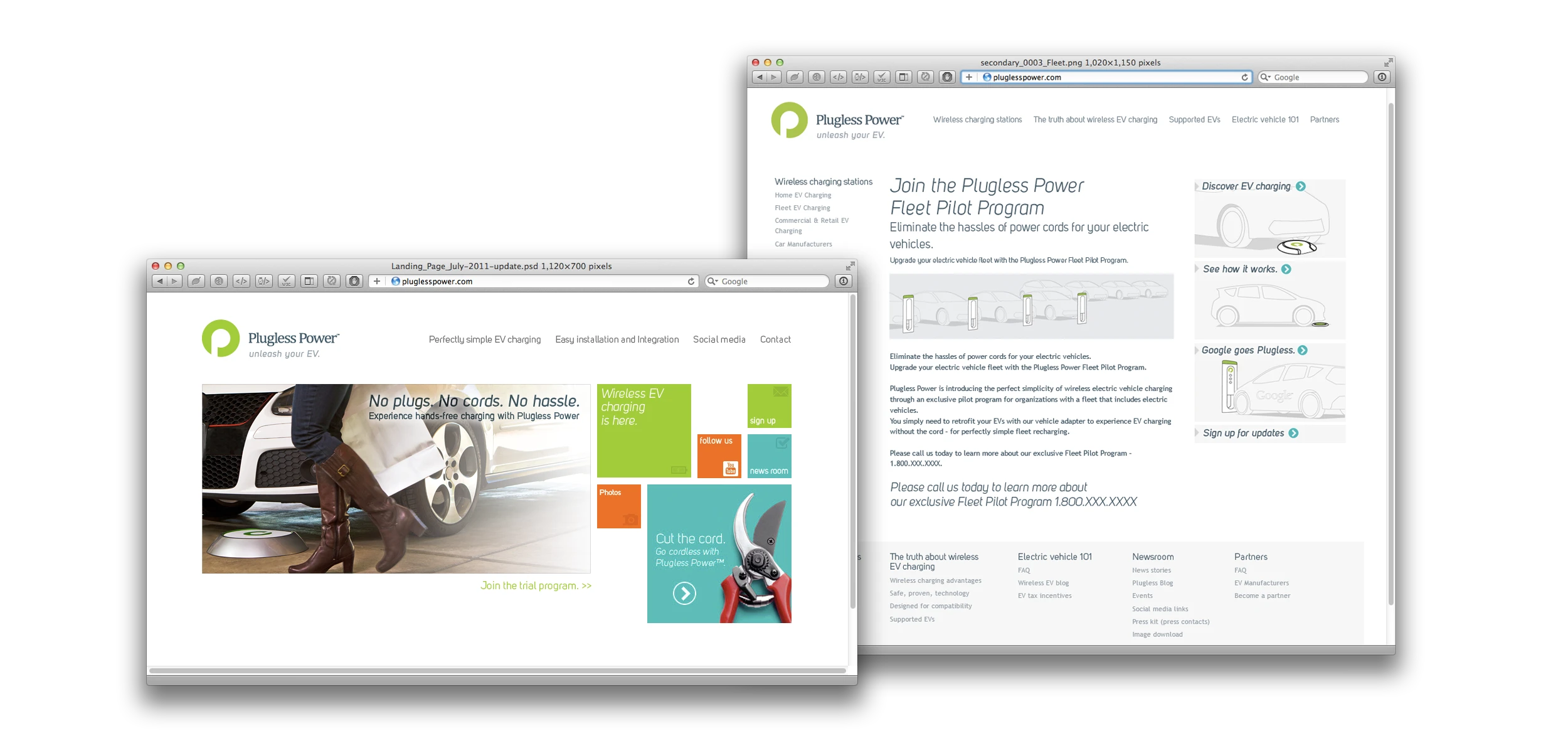
The day-to-day of the role was designing and developing websites for clients — in HTML, CSS, JavaScript, WordPress, and Bootstrap. The work spanned industries, from medical and enterprise tech to consumer products. A representative example was Plugless Power, a wireless EV-charging company, where the site had to make a futuristic technology feel simple and trustworthy: “No plugs. No cords. No hassle.”
2. Establishing App Development
A new core competency
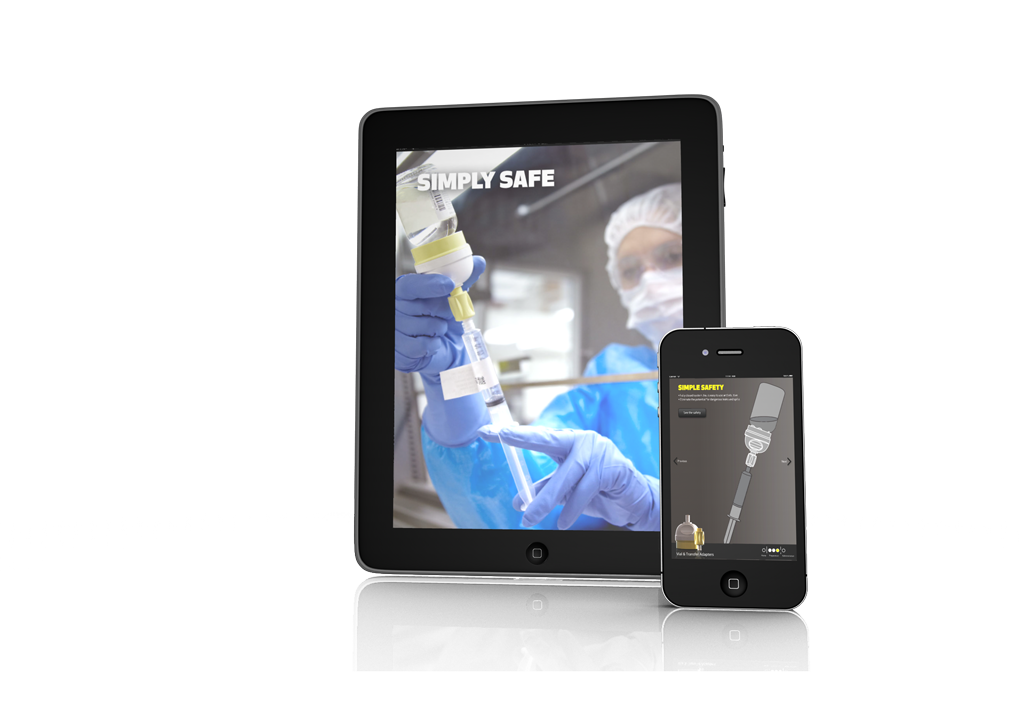
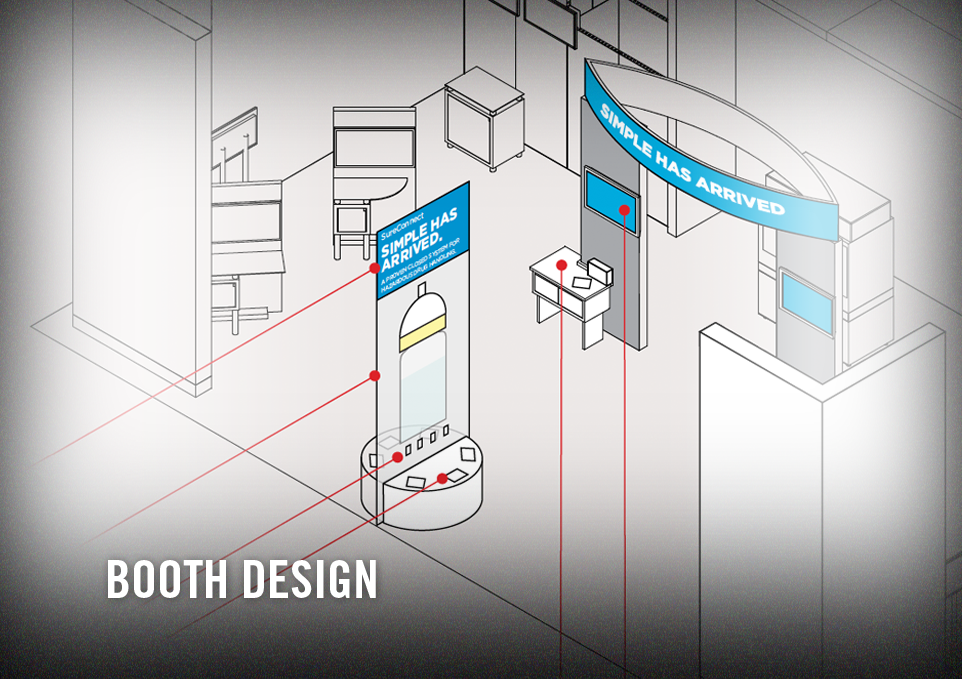
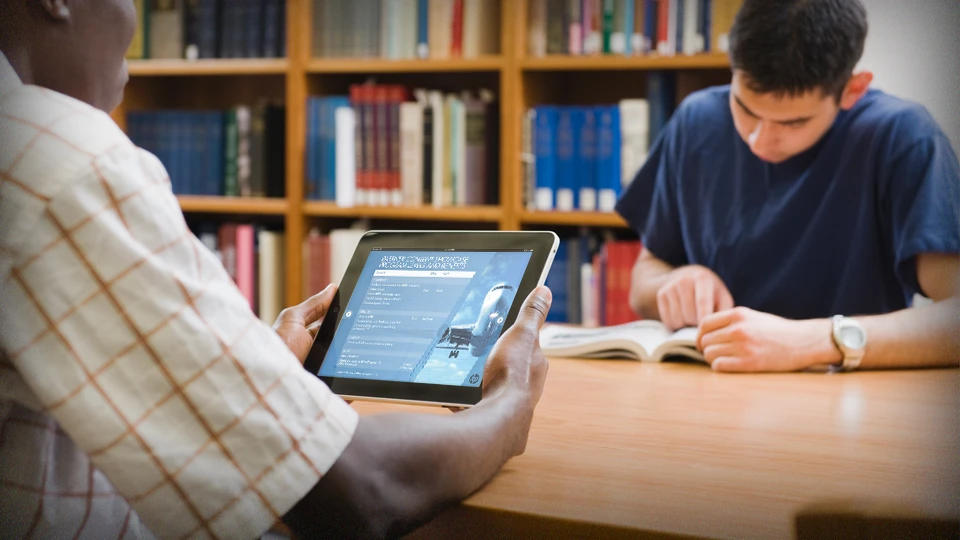
Smartphones were still new enough that most marketing agencies didn’t build apps. I helped change that at Burns, designing and developing apps for iOS and Android using Phonegap/Cordova. The most complete example was Baxa, a medical-device maker, where the app was one piece of an integrated tradeshow campaign: the “Simply Safe” iPad and iPhone experience, the booth, and the signage all designed as a single launch.
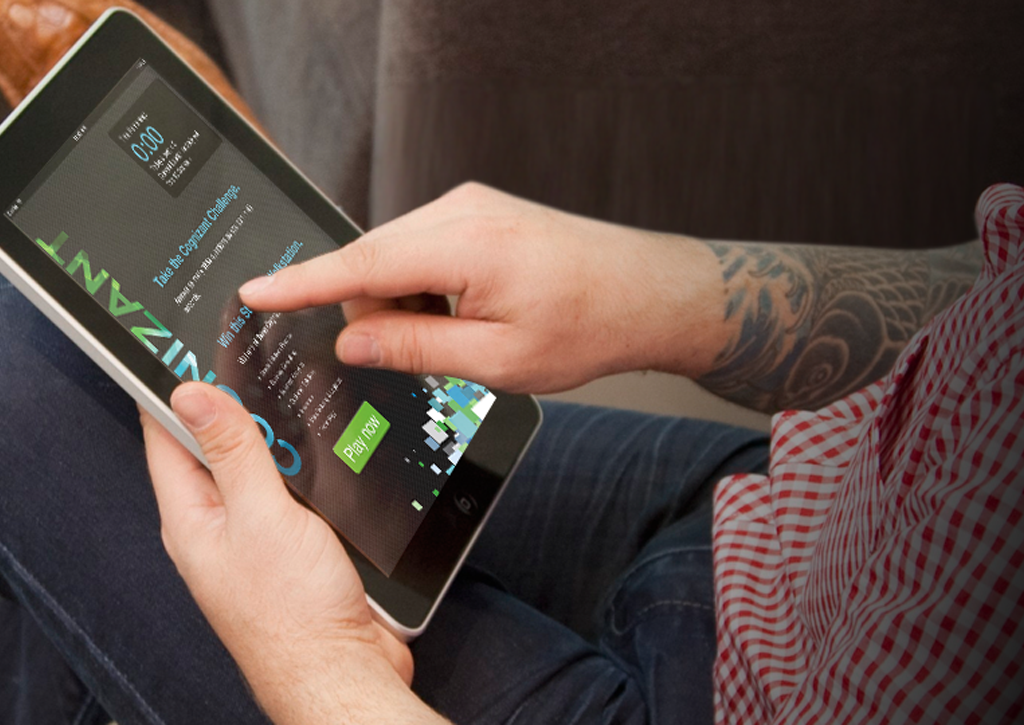
The same capability served other clients, like a tradeshow “challenge” quiz app for Cognizant designed to draw people to the booth and start conversations.
3. Shipping Real Apps
Proof the capability was real
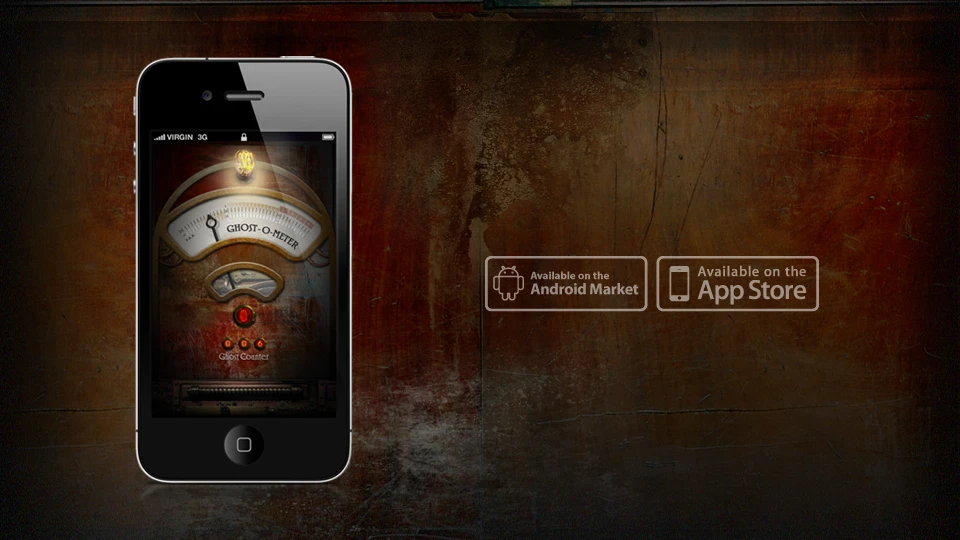
The surest way to prove an agency can build apps is to ship one to the public app stores. In this period I did exactly that, including Ghost-O-Meter — an addicting “ghost detector” that went viral, won a 2012 Art Directors Club of Denver award, and single-handedly established app development as a capability at Burns. (It earned its own case study: Ghost-O-Meter.)
4. A Wide Range of Clients
Breadth was the point
An agency role is, by nature, a tour through many industries at once. Alongside the projects above, I contributed logo design, web, mobile, and tradeshow work for clients including HP, Lenovo, Waterpik, Inspirato, Zila, SolidFire, PCS Wireless, and more.
Conclusion
Burns was where I learned to move fast across industries and to ship real, downloadable products — not just comps. Helping a traditional marketing agency add app development as a core competency, while designing and building websites for a wide range of clients, gave me the range and the engineering-minded confidence I’d carry into every product and UX role that followed.