
Hi, my name is Adrian (Ade) Hanft and this is my design portfolio. Before you look at the work, I want to share the principles behind it. To me, a principle is a value put into practice. It’s what guides my decisions when there’s no obvious right answer. My goal is that as you browse my work, it becomes obvious that I care deeply about:
- Consistency through design systems and systems thinking
- Quality through visual design and craft
- Creativity through experimentation and prototyping
- Clarity through simplicity and storytelling
- Empathy through research and discovery
- Collaboration that honors diverse ideas
- Trust achieved through honesty and integrity
- Growth through ownership, mentorship, and empowered autonomy
- Leveling up through technology
The first three principles (consistency, quality, and creativity) are the foundation of my design practice, and I want to describe how I think about them so that the rest of my portfolio makes sense.
1. Design as a System
Design thinking tends to be a buzzword, but my definition of it comes down to the big question, “what problem are we trying to solve?” To help me answer that question, I’ve experimented with different flavors of design thinking, including Jobs to be Done, Google Ventures–style design sprints, product trios as championed by Teresa Torres, empowered product teams as championed by Marty Cagan, user journeys inspired by Jared Spool, field research, participatory design, and Lean UX. I consider myself a student of design thinking approaches and try to avoid being entrenched in a single “right way” of doing things.
I bring the same “what problem are we trying to solve?” question to design systems because design systems solve different problems depending on the structure of the teams that the system lives within. Having been a designer at startups and huge international corporations has allowed me to implement design systems that meet the company where it is, big or small.
Lightweight Design Systems
In startups, design teams start out small. At this stage the benefits of a design system primarily revolve around moving fast. You have the luxury of a young product that is still taking shape and you can change your mind without initiating a cascade of breaking changes that require attention from lots of teams.
Lightweight guidelines are closer to style guides than comprehensive design systems because the future system will emerge out of the successful experiments that designers try. Locking in patterns before designers have a chance to imagine and innovate can result in a design system that is generic and stifling.
Building a Design System from Scratch
When I was UX Manager at Nutrien, our design team was growing and so was the pressure for a design system. Consistency was becoming hard to maintain across products and competing patterns for similar functionality were causing conflict. I hired design system specialists and worked to get buy-in from product and development stakeholders to ensure that everyone recognized the effort and benefits of the new system.
We named our design system “Bonsai,” and its creation coincided with a tooling change as we switched from Sketch to Figma. Recreating hundreds of screens is a tedious task, but it is better if you only have to do it once. As designs were migrated to Figma, the new styles could be applied and patterns could be rebuilt quickly with the building blocks that we defined in Bonsai.
To help the teams align on the patterns, I managed two new weekly meetings. The first was a critique where designers brought in-progress work to the team for review and guidance to ensure that new designs aligned with the intention of the design system. We also had standing office-hours meetings where any designer could get 1-on-1 help with components and ask our Figma experts questions. The result was alignment across all designers and an improvement in the consistency and quality of the designs we produced.
Overhauling a Design System for a Team of 100+ Designers
When you are an established brand with a visual language that extends across hundreds of teams and products, a redesign is a massive undertaking. In preparation for the design system overhaul, an invitation was extended to our 100+ member design team for ideas. Below is the visual language I submitted for consideration.
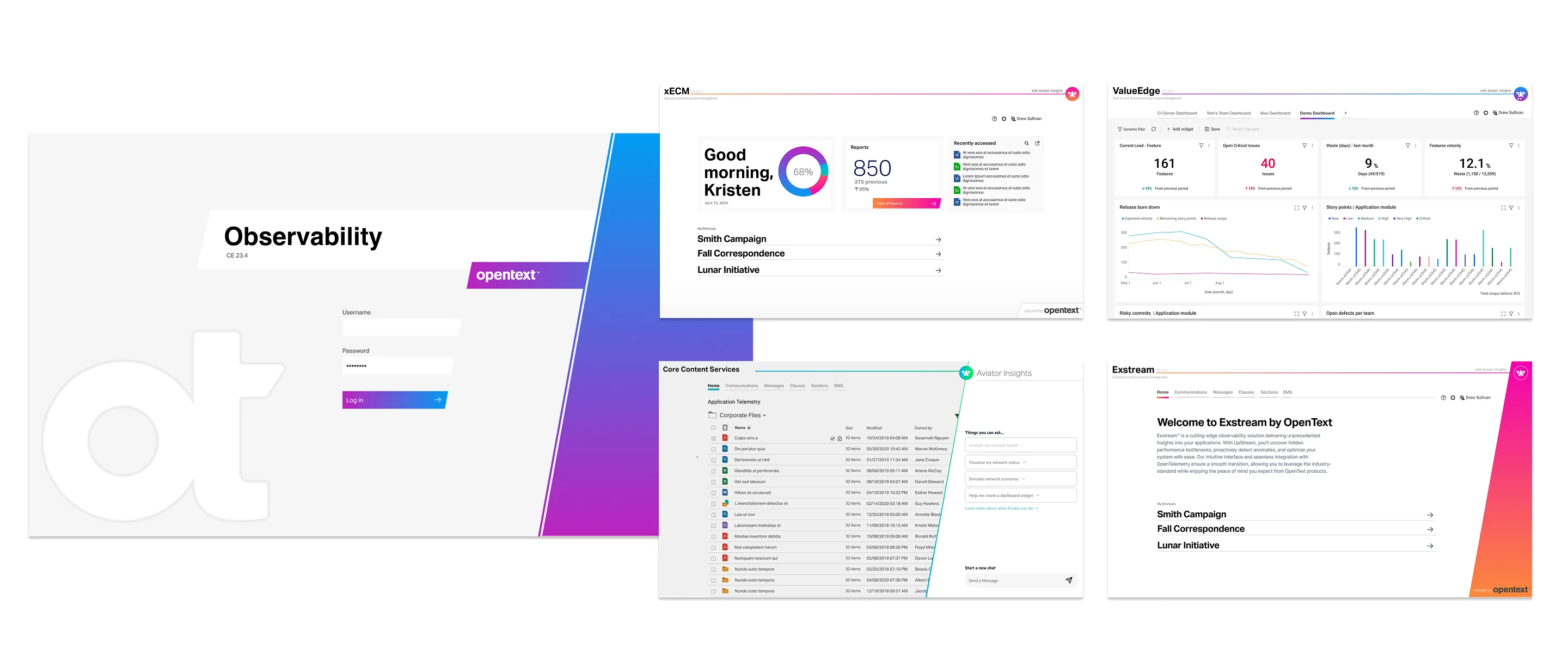
After the main elements of the OpenText rebrand were defined, the building of the Figma library began. My product area was an observability product and it was my job to apply the new design system, named “JATO,” to all the screens in our applications. As I uncovered new patterns, I worked with the design system team to componentize my designs so that they could be used by other designers who could benefit from the new patterns.
Design Systems within Design Systems
Currently I am working at Oracle, where another design system pattern has emerged as my team redesigns NetSuite.com. Because NetSuite is a sub-brand of Oracle and maintains its own style and identity, the challenge is how to respect the established “Redwood” design system while balancing the personality of NetSuite. This is a work in progress which will be added to my portfolio once it is launched.
2. Visual Design and Craft
My visual design skills developed early in my career when I bounced around advertising agencies and design shops in Colorado. Some of this work shows its age, but I want to highlight some projects that pre-date my recent work at Oracle, OpenText, and Nutrien.
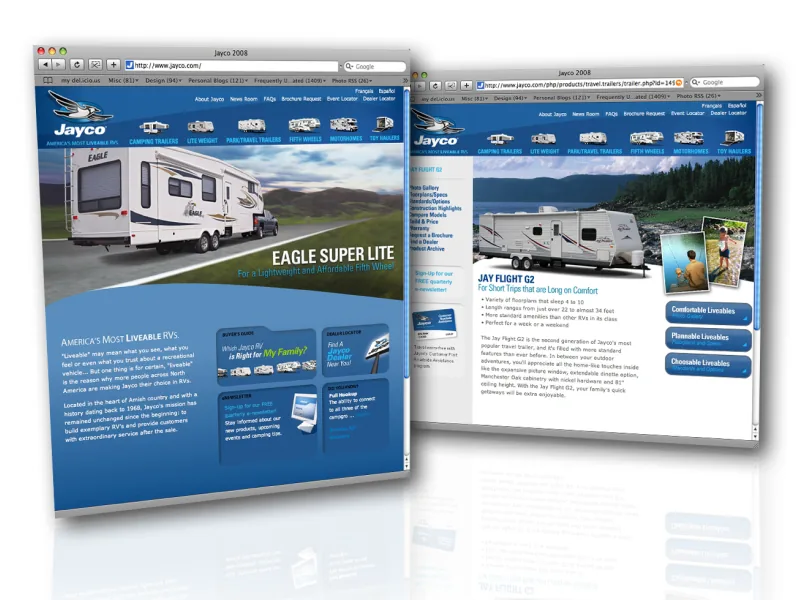
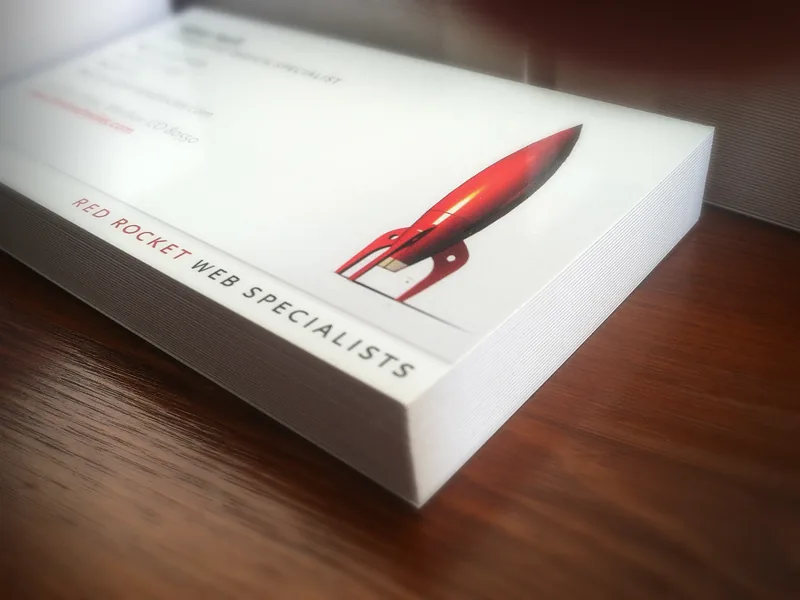
My first agency experience came at HuebnerPetersen, where I was art director for our flagship client, Jayco. After that I worked at Red Rocket where I designed websites for dozens of Northern Colorado clients. Then at Burns I helped make app development a core competency of the agency, and designed and built Ghost-O-Meter, which reached #1 in the Entertainment category of the App Store in six countries.
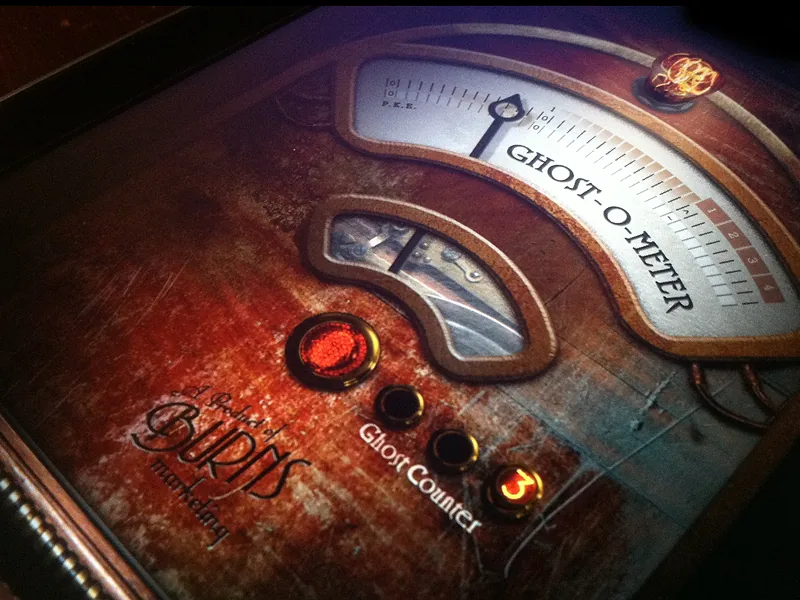
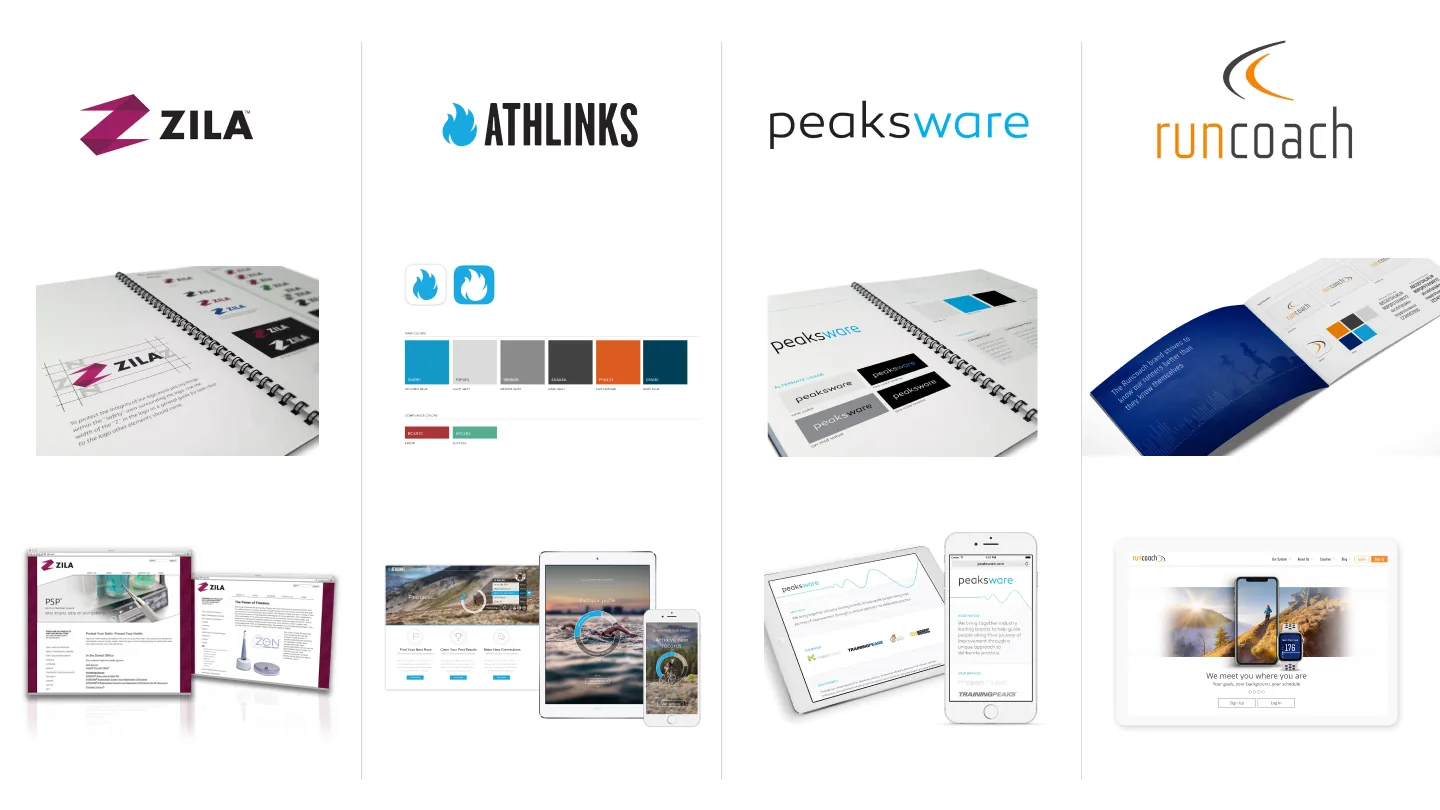
At Zila I led a rebrand that brought sixteen products into one identity, within the constraints of a regulated medical-device industry, and the Rotadent Contour product launch. After Zila my career shifted to focus on fitness technology for the next five years.
3. Creativity and Experimentation
I maintain a creative practice outside of work, with experimental art I share on Instagram and write about on my Substack newsletter, Made by Ade. I enjoy sharing my discoveries and inviting people to try the techniques I develop. I’ve built a following of 90k, and several of my creations have gone viral, receiving millions of views.
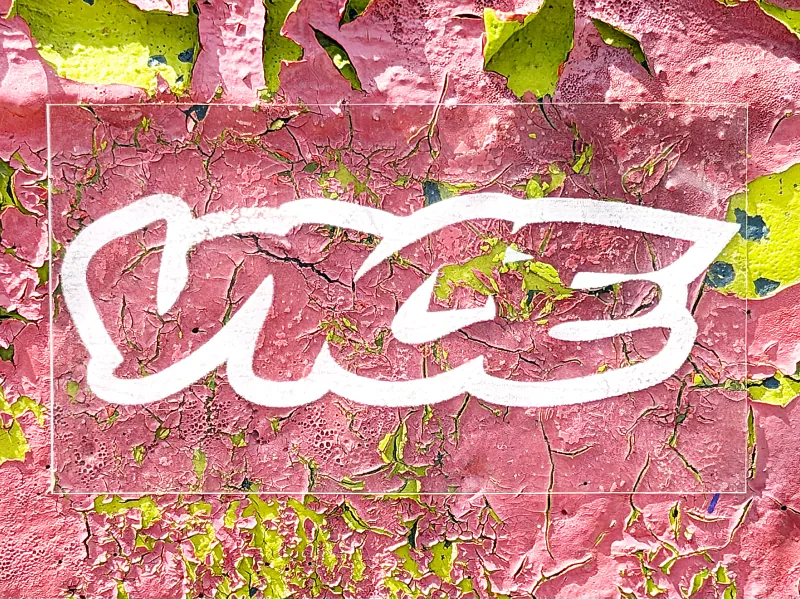
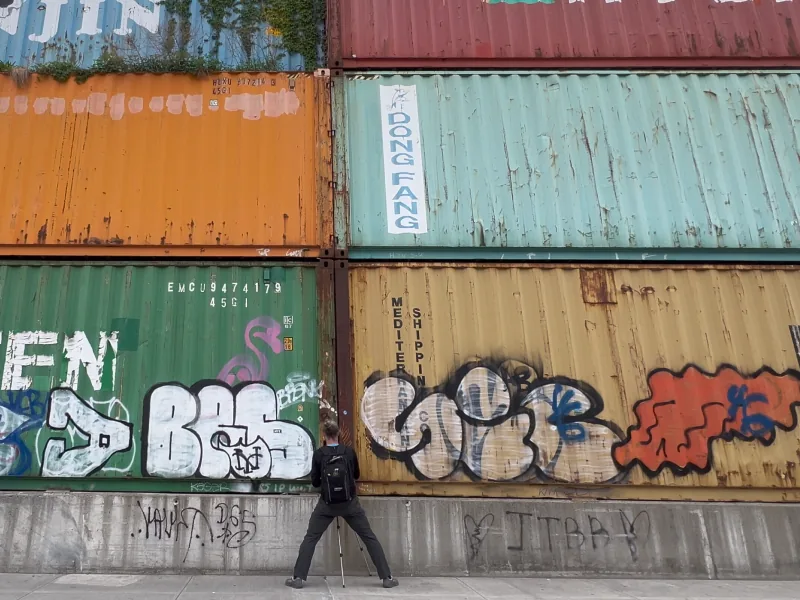
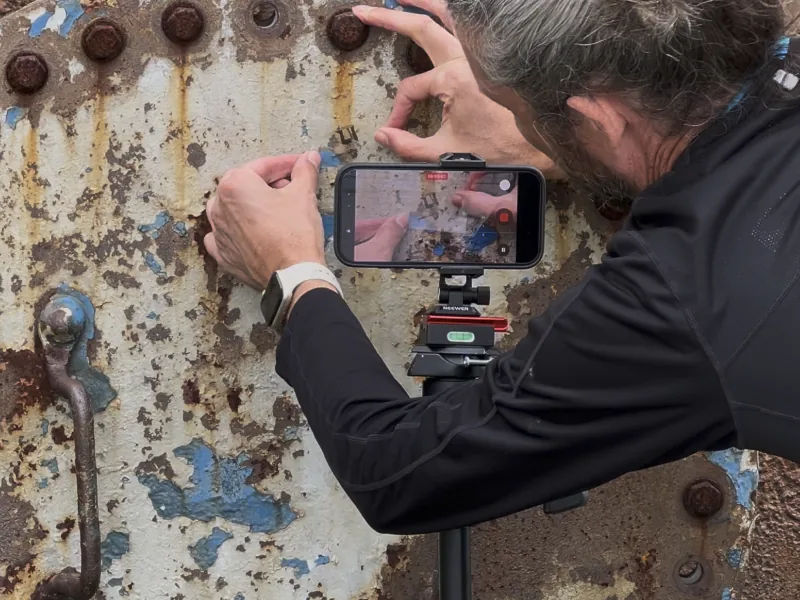
In May 2026, VICE TV noticed my art and asked me to spend a week in Brooklyn making animations across New York City. I printed 350 stickers to make logo animations that VICE TV used at the end of their sports shows. I thought I was going to New York City to leave my mark, but the city is what left its mark on me. I wrote about it in Danger, fear, and art-making in New York City.
Consistency, quality, and creativity are the first three principles of my design practice, and I invite you to keep exploring my portfolio to see how I demonstrate the rest: clarity, empathy, collaboration, trust, growth, and leveling up. Below are case studies that help exemplify these values further.