
Being a product design leader requires curiosity and active participation in the movements that are shaping the future. I strive to be an early adopter of new tech and I want to share examples that demonstrate how I embrace and amplify transformational ideas.
My love of the web started with a dial-up connection. I’ve hand-coded my personal website since 2002, I had a blog before it was a part of the lexicon, and I have redesigned it as the best practices evolved from tables, to CSS, to mobile, to Web 2.0, to today’s agent-assisted era.
When apps were catching on I was early to the app store, designing and developing chess apps. These personal projects helped me persuade Burns Marketing to modernize their offerings by designing their first app called Ghost-O-Meter. The result went viral and proved that our ad agency could build more than websites. As tablets were becoming a thing, I had early access to HP’s TouchPad and designed apps to support its initial launch. Soon I was designing iPad apps for Burns’ clients who wanted interactive demos for trade shows and sales calls.
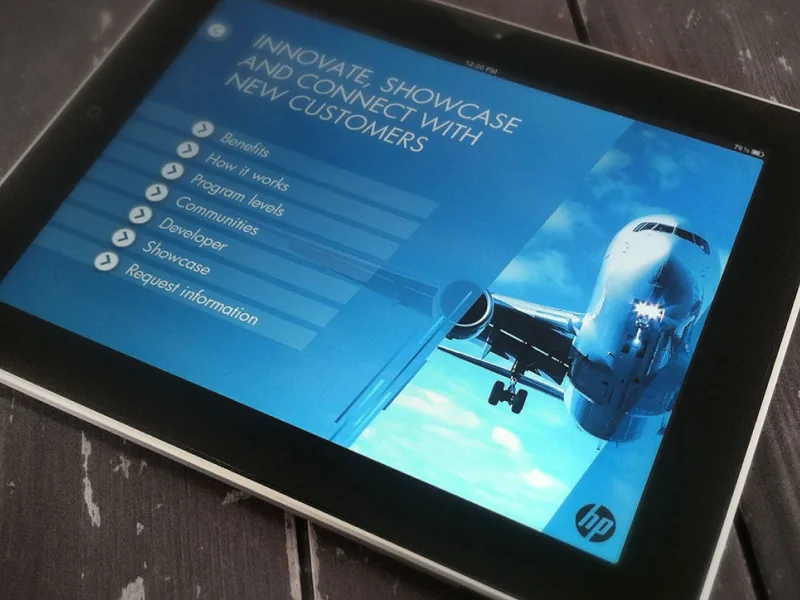
An HP tablet app
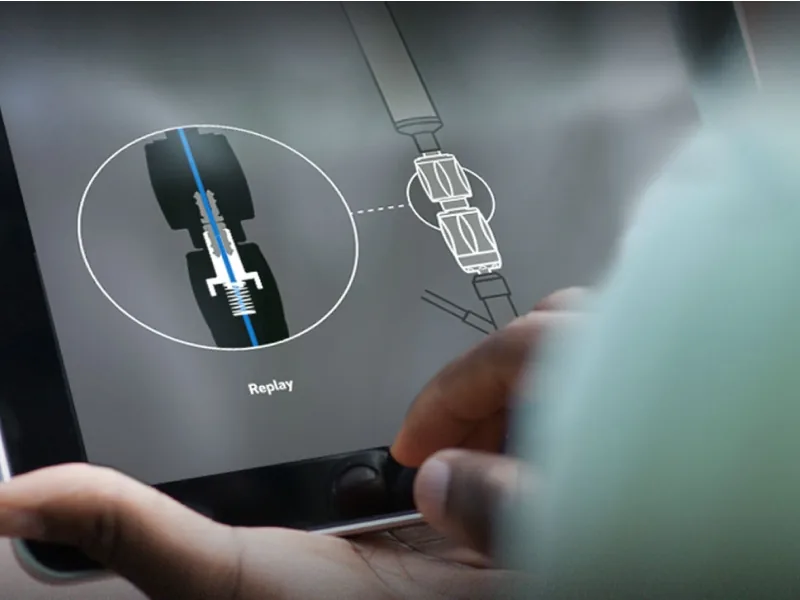
An interactive product demo on iPad
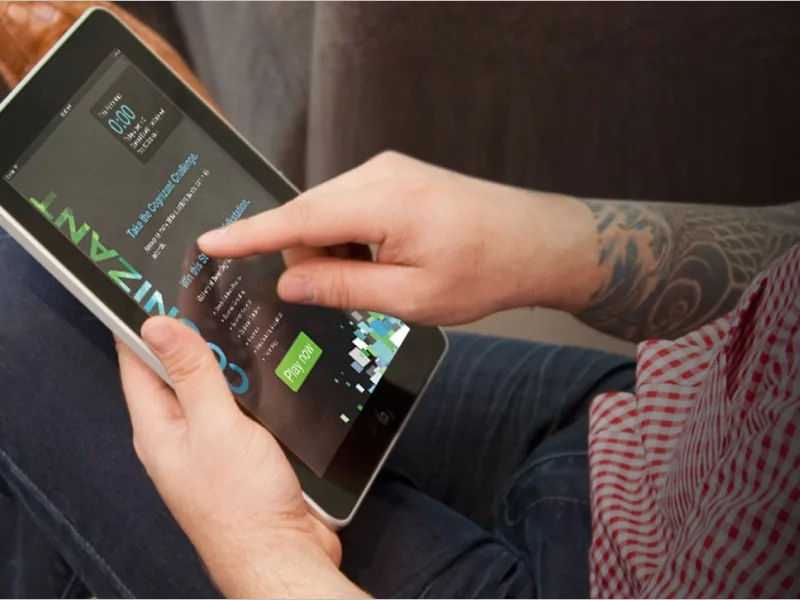
The Cognizant Challenge, a trade show app
As virtual reality tech improved, I saw the opportunity to use VR to visualize data in new ways at OpenText. As part of a hackathon team, I helped build a VR prototype that won second place.
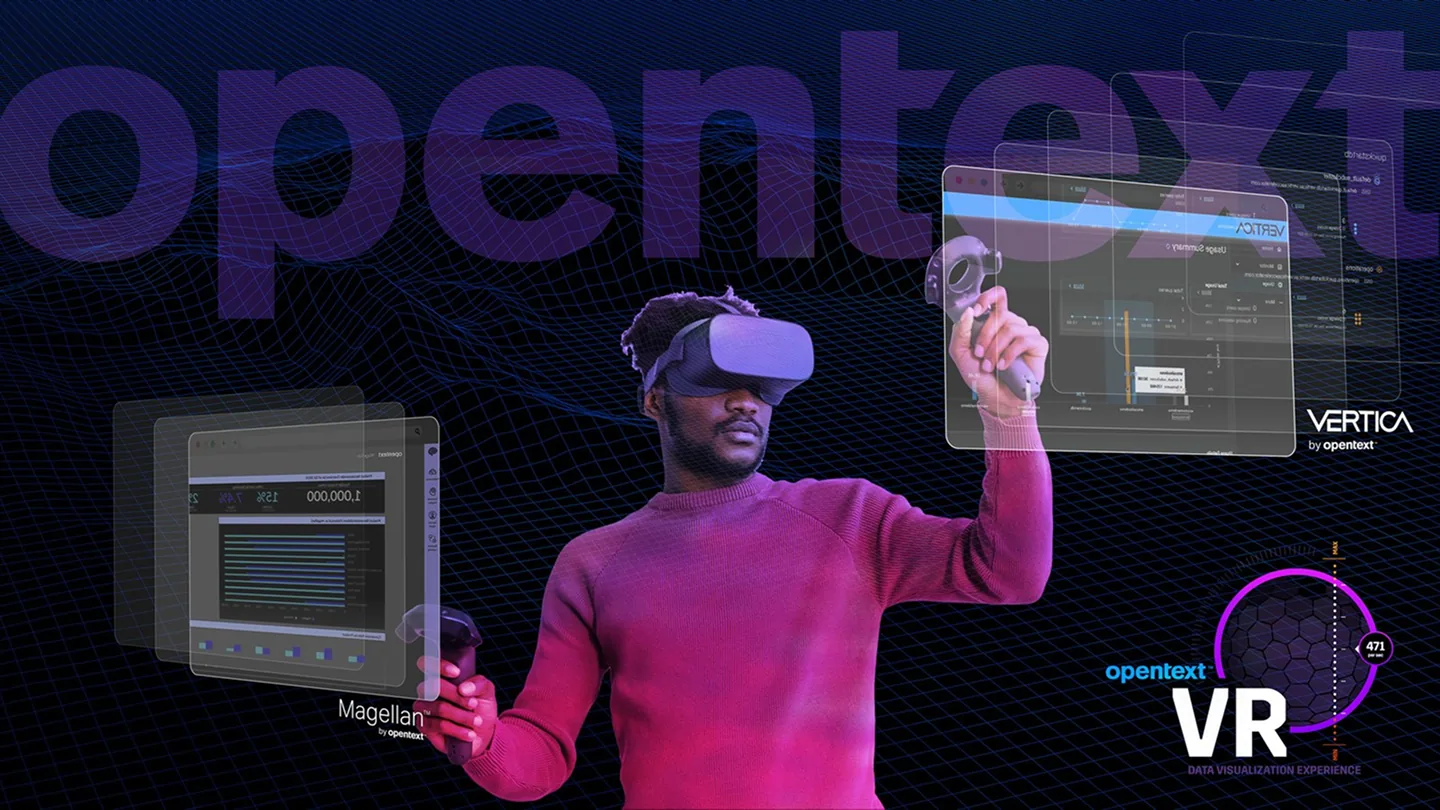
OpenText VR: exploring data in virtual reality
I won’t repeat my fitness tech obsession, other than to say that I’ve got a garage full of GPS devices, health watches, bikes, and running gear.
I am passionate about electronics, especially the Raspberry Pi and small DIY projects. I was honored to have one of my camera designs featured in The MagPi, the official Raspberry Pi magazine (Issue 99, November 2020, page 32), and on the home page of the Raspberry Pi website.
I am also active in the crypto community, regularly attending ETHDenver since 2019. I don’t just browse booths, I discuss ways to improve the notoriously bad UX of digital wallets. Some years I have participated in the hackathons, one year producing a token called Bux that would be the currency backing a user-testing platform for developers. I’ve collected NFTs, tested the coin swap services, followed meme coins, and I work to understand the advantages and disadvantages of each of the digital currencies.
Today, AI is on the rise and I am once again neck-deep in the weeds as the landscape changes. While six-fingered photos were punchlines I was using Midjourney, prompting images that demonstrated that generative art was about to get very good.
The reason these anecdotes are important is that innovation within corporations comes from the people who are curious and experimental in their approach to their work. That is a long way to lead up to a few examples of how I have been embracing emerging tech over the last few years.
OpenText
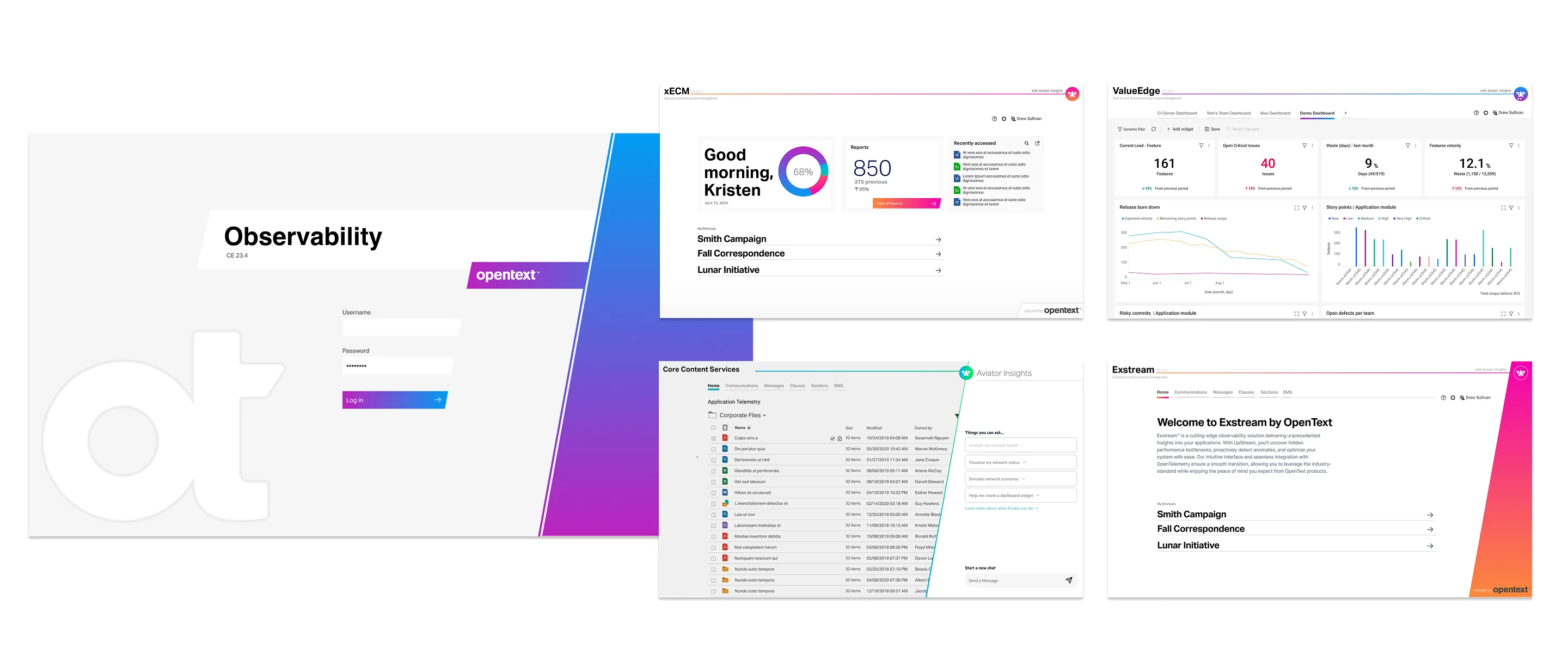
I joined OpenText in November 2022 as the lead UX designer for a new application observability product that helps IT professionals monitor the health and performance of their applications and infrastructure. My goal for the UX was that users should be able to understand their system’s health within two clicks. Our observability tool was built on an emerging technology called OpenTelemetry.
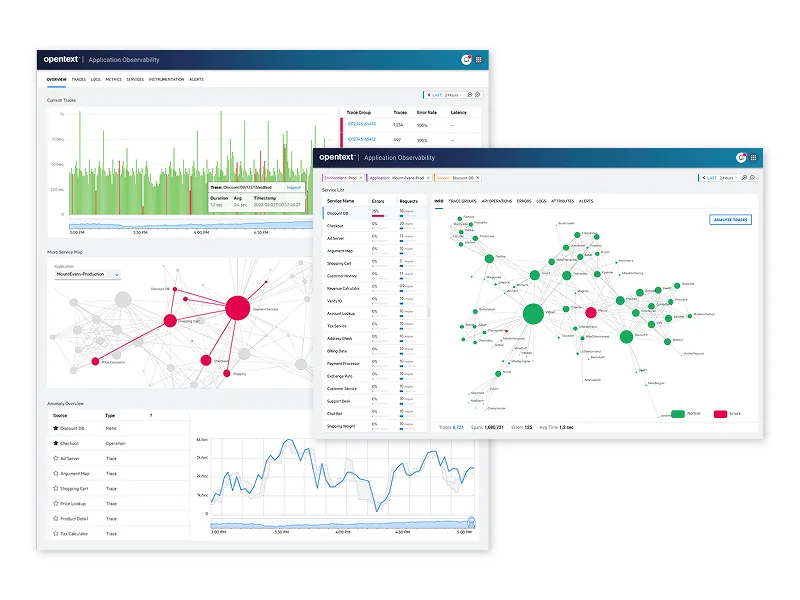
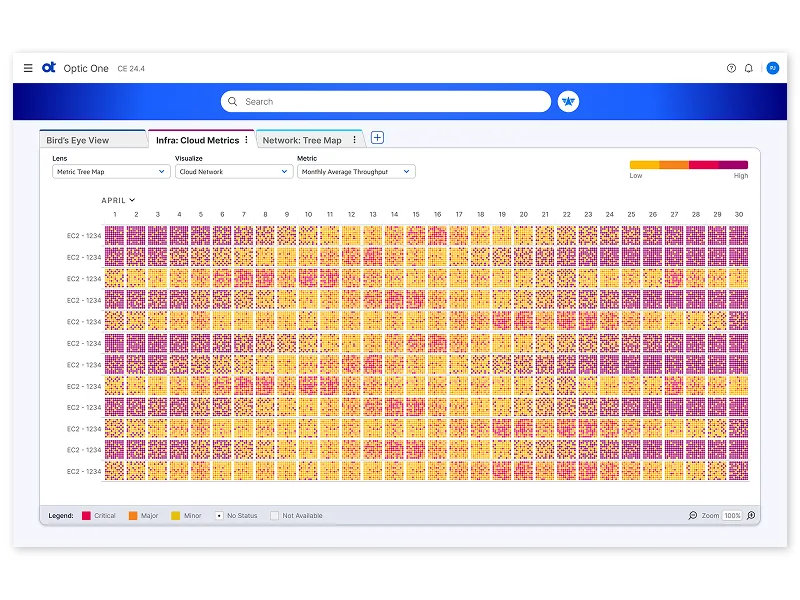
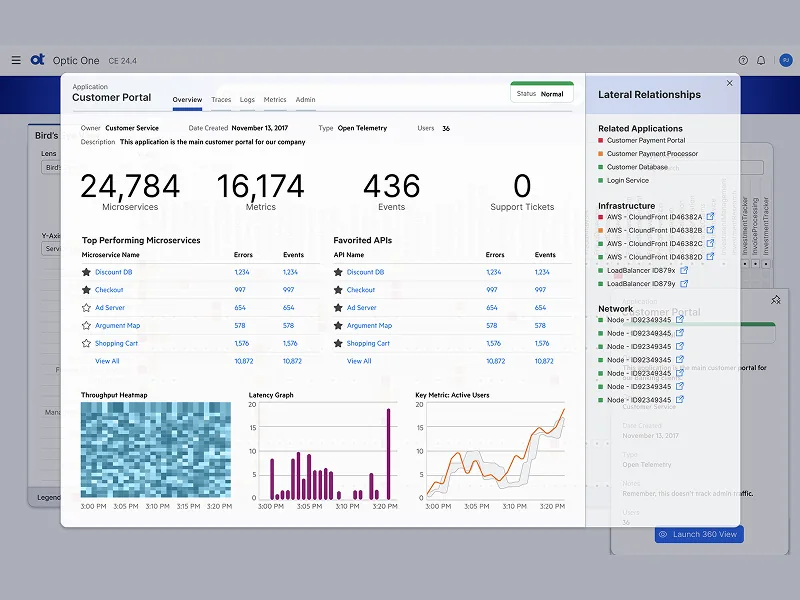
Observability throws a flood of telemetry at the user, and the hardest part of the UX was making those data-dense screens legible. I produced detailed blueprints, high-fidelity designs that product and engineering used as the north star for development: a service map, dashboards that show red, yellow, and green health at a glance, and detail views that let an engineer drill from a symptom down to its cause. Some of these visualizations went past what off-the-shelf charting libraries could do, so our developers built them in D3.
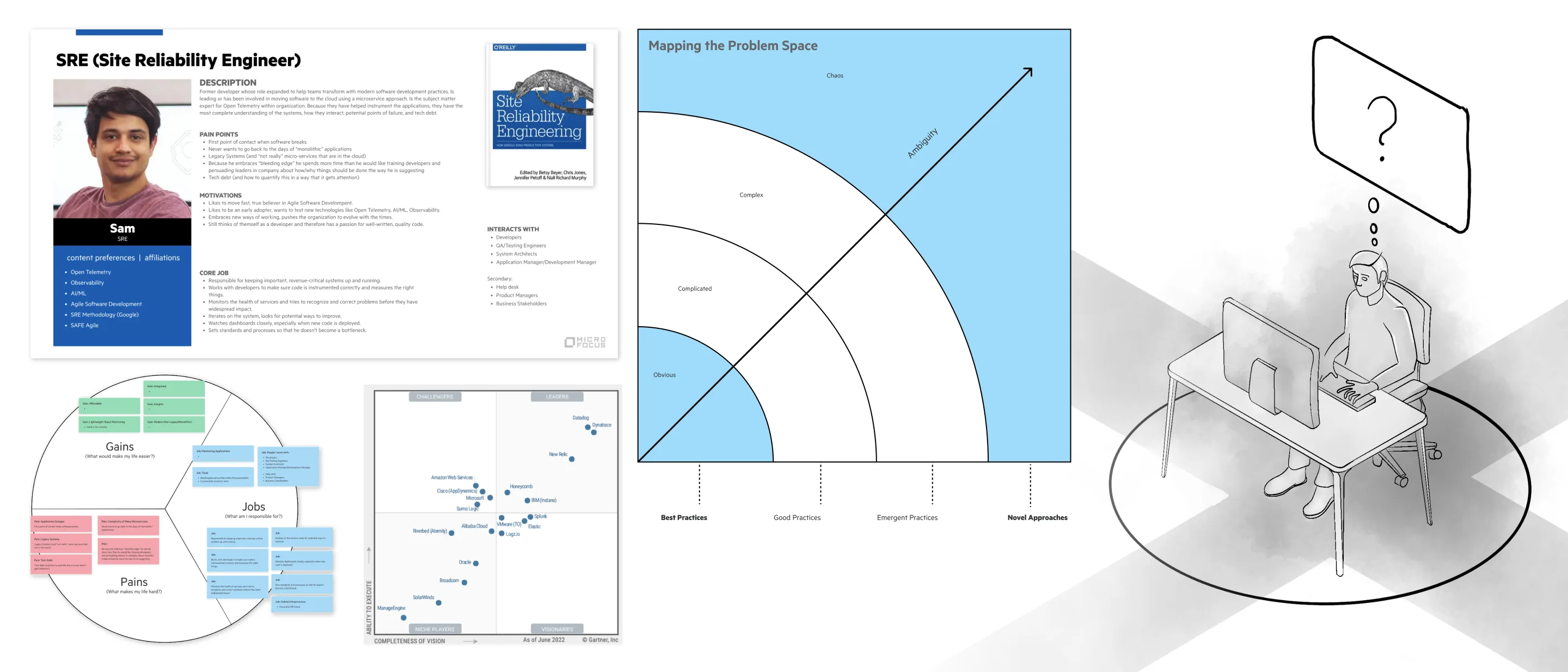

OpScope’s primary persona was the Site Reliability Engineer (SRE), a role that was new to OpenText. To build it, I talked to a dozen SREs. The results are part of my OpenText case study.
Usability testing and research were an important part of my role at OpenText. OpenText World is the company’s biggest annual event, and the UX team runs an Innovation Lab there: hour-long, one-on-one sessions with existing and prospective customers, testing features headed for upcoming releases. I was one of about ten designers picked from a UX team of more than 100, and ran 20 sessions over three years in Las Vegas and Nashville.
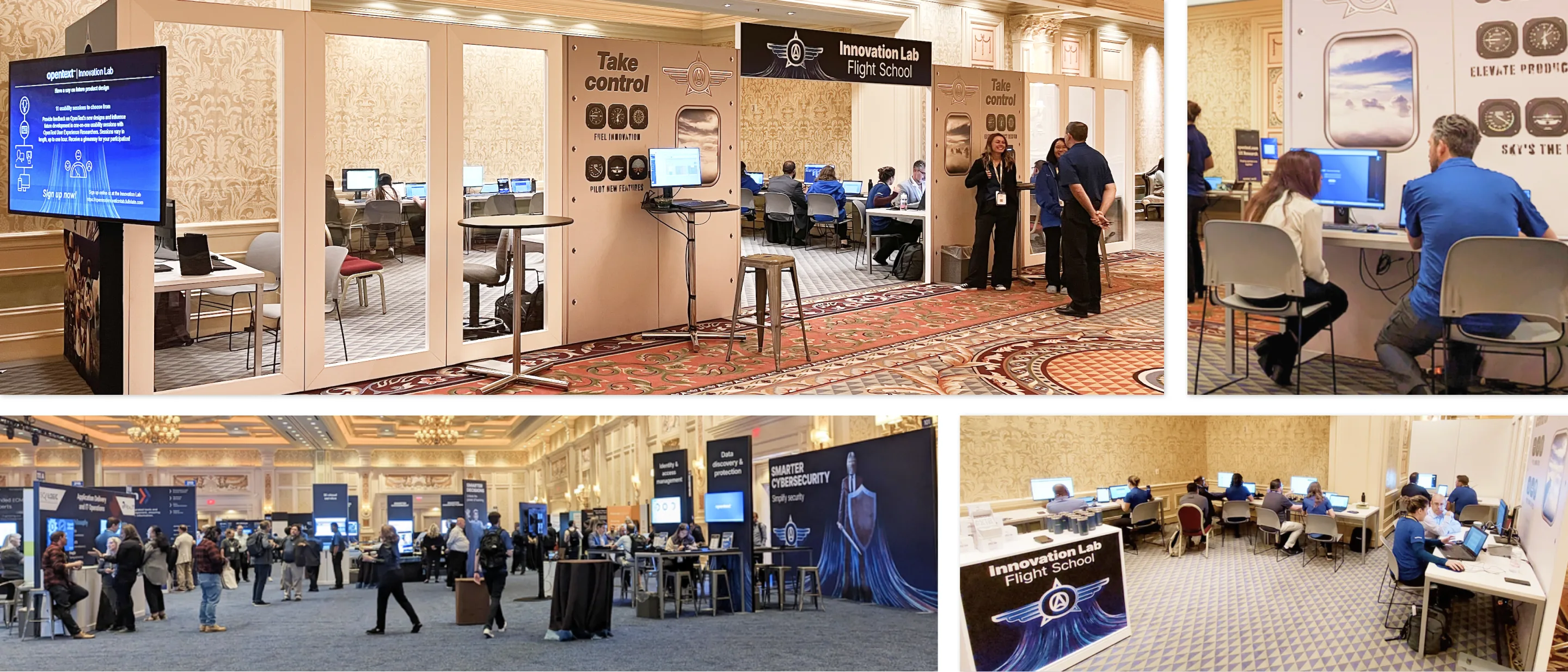
The Innovation Lab at OpenText World
Oracle
Today I’m leading UX on the redesign of NetSuite.com, Oracle’s 1,600+ page website, as one of a small team of three hired to overhaul it.
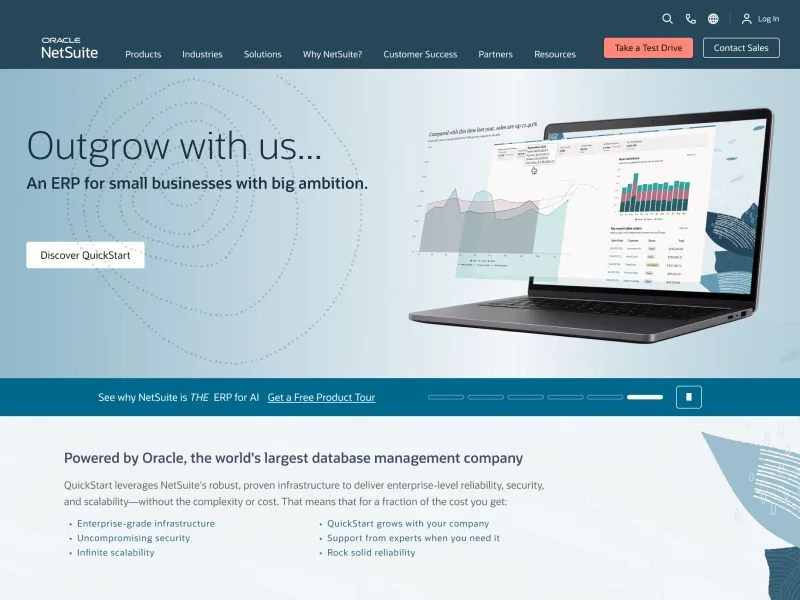
An early NetSuite.com home page concept
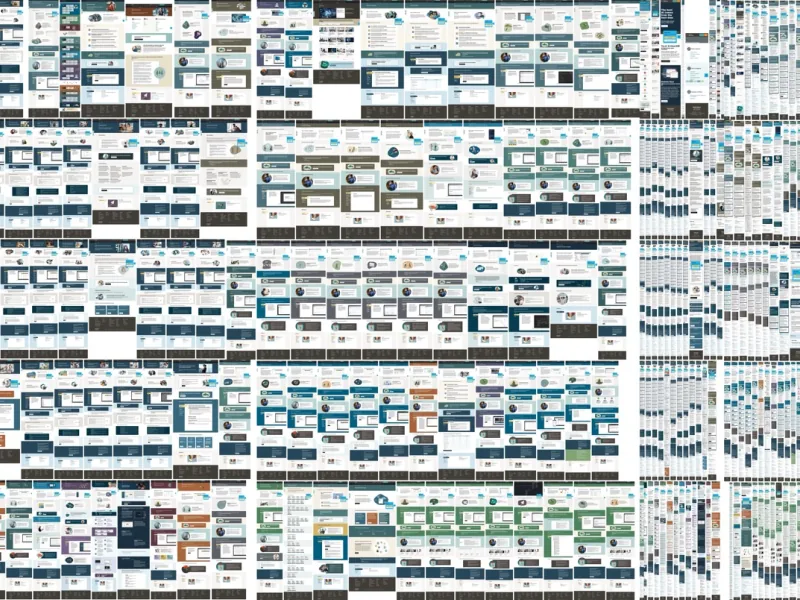
Auditing hundreds of current pages
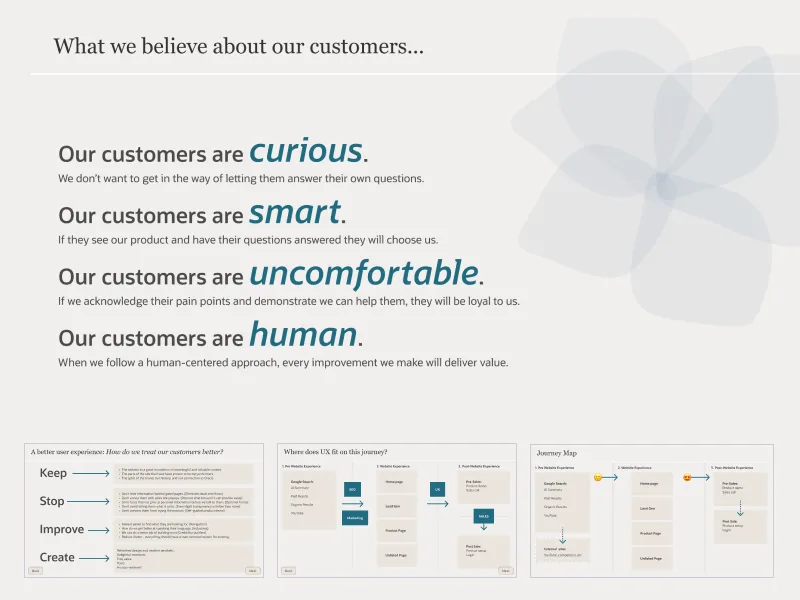
UX guidance for stakeholder alignment
With the help of coding agents (Codex, ChatGPT, Claude) I have built disposable, lightweight tools that help our team move fast. These include a dynamic screenshot animation tool, a brand-compliant image generator, a navigation visualization tool for speeding up information architecture reviews, and a research organization tool.
Personal AI Exploration
The thing that impresses me most about AI right now is its ability to breathe new life into seemingly obsolete technology of the past:
- Vintage Synthesizers: I’ve had an Ensoniq SQ-80 Synth since childhood when I took piano lessons. I was inspired to expand its capabilities by rigging a Raspberry Pi into a wireless MIDI bridge that lets me play it, write melodies and chord progressions, and manage its patches from my Mac.
- Analog Oscilloscopes: ScopeMotion turns SVG artwork and animated GIFs into a stereo audio signal that draws them on an analog oscilloscope in X-Y mode.
- E-Ink Price Tags: I reverse-engineered recovered electronic shelf labels so a Raspberry Pi or Pico can send them artwork and text. I released the code after my Instagram posts of art on Walmart price tags drew requests for it.
- Palm Pilots: Palm Pilot Animator is a full-screen, black-and-white animation player for the Palm m105 and m125.
- Receipt Printers: Epson GIF printer prints the frames of an animated GIF on an Epson receipt printer.
- 3D Image GIFs: iPhone spatial photos aren’t designed for sharing online. I created an app called GIF’d that turns spatial photos into animated GIFs.
- Chess Apps: From 2010 to 2015 I launched 20 chess apps to Apple’s App Store. To make them more universal, I used Claude Code to convert six of them into progressive web apps, so now they run again in any browser.
New tools will keep arriving. I’ll keep being one of the first people to take them apart and bring what I learn back to the teams I design with.